In today’s digital landscape, effective music marketing strategies are no longer optional for artists—they’re essential. With streaming platforms dominating music consumption, knowing how to promote your music on Spotify and Apple Music can make the difference between obscurity and success. Whether you’re an independent artist or running a small label, these platforms offer unprecedented opportunities to reach global audiences—if you know how to leverage them properly.
The strategies we’ll explore are designed specifically to increase your streaming numbers, grow your fanbase, and create sustainable momentum for your music career. From playlist pitching to social media integration, these proven tactics have helped independent artists achieve impressive streaming milestones without major label backing.
Playlist Pitching: The Gateway to Streaming Success
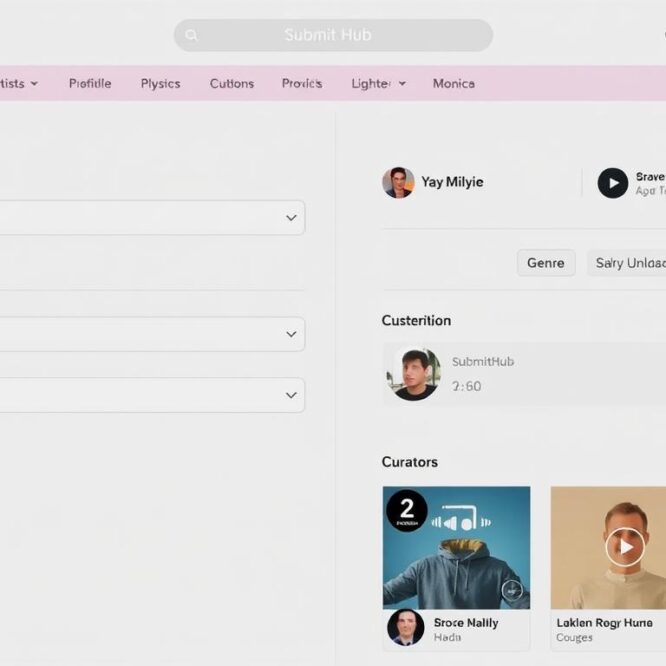
SubmitHub platform allows artists to pitch directly to playlist curators
Playlists have become the primary way listeners discover new music. Getting your tracks on popular playlists can exponentially increase your streams and visibility. Here’s how to approach playlist pitching effectively:
Editorial Playlist Submission
Editorial playlists curated by Spotify and Apple Music’s in-house teams can generate thousands of streams overnight. To increase your chances of selection:
Independent Curator Outreach
Independent curators often manage playlists with highly engaged followers. Platforms like SubmitHub, Playlist Push, and Groover connect artists with these curators:
Ready to pitch your music to playlists?
Start increasing your chances of playlist placement today with professional submission tools.
Strategic Collaborations: Expanding Your Audience

Collaborations can help artists reach new audiences and cross-pollinate fanbases
Collaborations are one of the most effective music marketing strategies for expanding your reach. By partnering with other artists or influencers, you can tap into established audiences and create cross-promotional opportunities.
Artist-to-Artist Collaborations
Working with other musicians can create powerful marketing synergies:
Influencer Partnerships
Content creators can introduce your music to highly engaged audiences:
Success Story: Indie artist Leo Rhodes collaborated with five micro-influencers in the dance community, providing them exclusive pre-release access to his track “Movement.” The resulting TikTok videos generated over 200,000 uses of his sound and drove his monthly listeners from 5,000 to 75,000 in three weeks.
Pre-Save Campaigns: Building Day-One Momentum
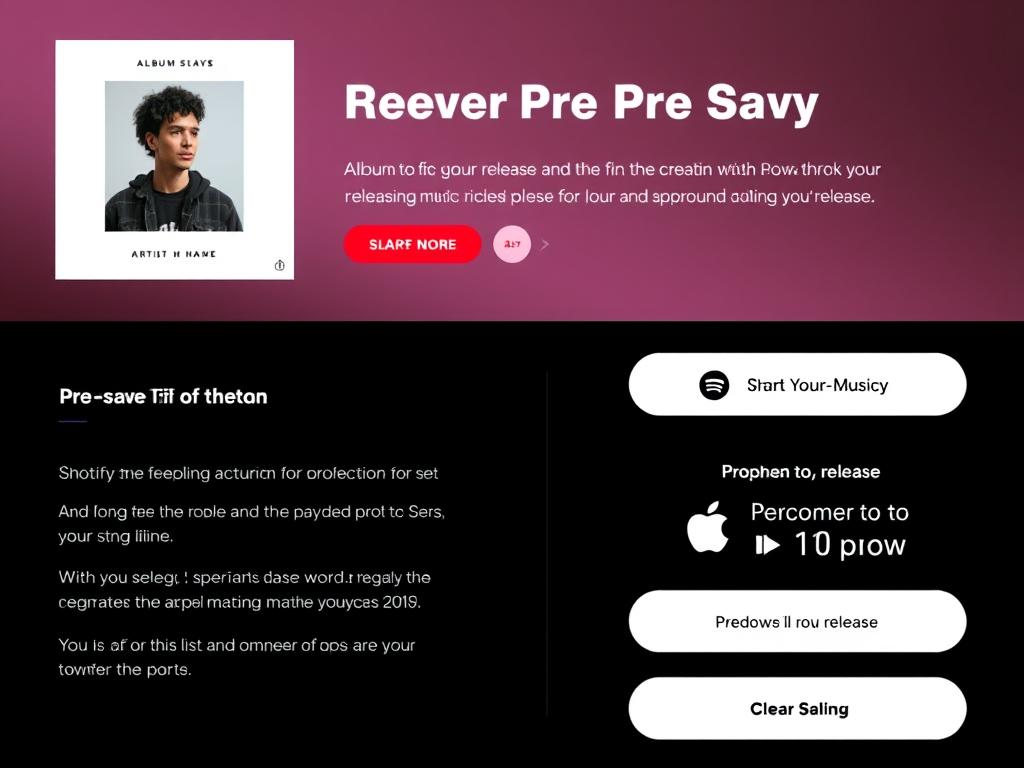
Pre-save campaigns help accumulate streams on release day for better algorithmic positioning
Pre-save campaigns are crucial for generating day-one streaming momentum, which can significantly impact algorithmic placement. When listeners pre-save your track, it automatically appears in their library upon release, guaranteeing initial streams.
Setting Up Effective Pre-Save Campaigns
Several platforms make it easy to create professional pre-save campaigns:
Feature-Rich Platforms
Campaign Best Practices
Promoting Your Pre-Save Link
Creating a pre-save link is only the first step—you need to actively promote it:
Create Your Pre-Save Campaign
Start building anticipation for your next release with a professional pre-save campaign.
Data-Driven Advertising: Targeting the Right Listeners
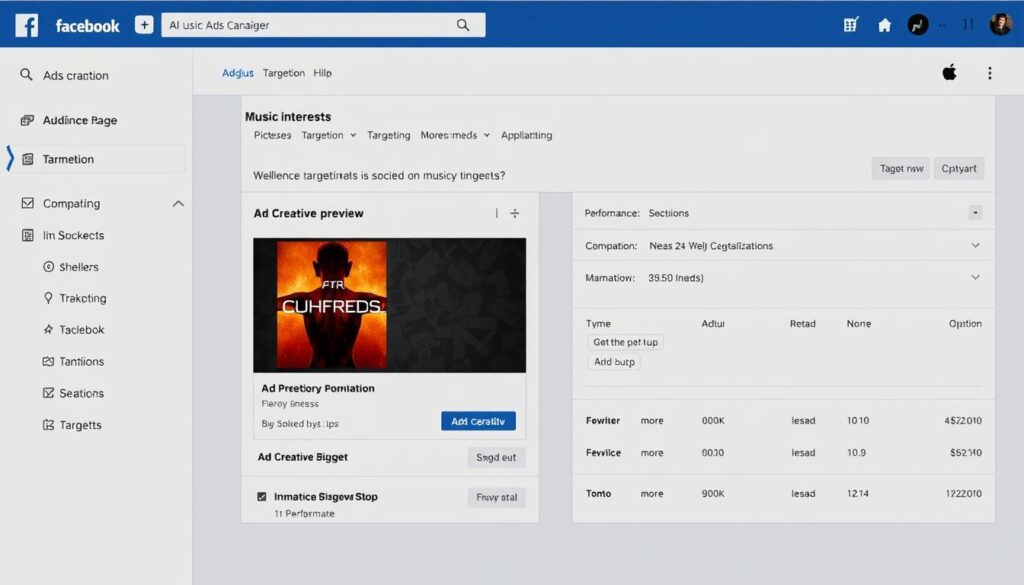
Targeted advertising platforms allow precise audience targeting based on music preferences
Strategic advertising can dramatically amplify your organic promotion efforts. The key is using streaming and social media data to target the right potential listeners with the right message.
Understanding Your Audience Data
Before creating ads, analyze your existing listener data:
Platform-Specific Ad Strategies
Meta (Facebook/Instagram)
Target users based on music interests, similar artists, and behaviors. Use the Engagement custom audience to retarget your most active followers.
TikTok
Create ads that feel native to the platform. Target users who engage with similar music content and use interest categories related to your genre.
YouTube
Use pre-roll and discovery ads targeting viewers of similar artists. Create sequential retargeting campaigns to nurture casual viewers into fans.
Budget Optimization Tips
Even with limited budgets, you can create effective advertising campaigns:
Pro Tip: Use the Facebook Pixel or TikTok Pixel on your pre-save landing page to create custom audiences of users who showed interest but didn’t complete the pre-save. These warm leads often convert at a much lower cost.
Fan Engagement: Creating Interactive Experiences

Spotify Canvas videos can increase streams and shares by up to 120% according to Spotify data
Engaging with fans directly on streaming platforms creates a deeper connection and encourages repeat listening. Both Spotify and Apple Music offer unique features that artists can leverage to enhance the listener experience.
Spotify Engagement Features
Spotify offers several tools to make your profile and tracks more engaging:
Apple Music Engagement Opportunities
Apple Music provides different but equally valuable engagement tools:
“After implementing Spotify Canvas videos for all my tracks, I saw a 37% increase in shares and a 24% increase in saves. The visual element creates a more memorable listening experience.”
Creating Exclusive Content
Beyond platform-specific features, consider creating exclusive content to reward your most engaged listeners:
Platform-Specific Optimization Tactics
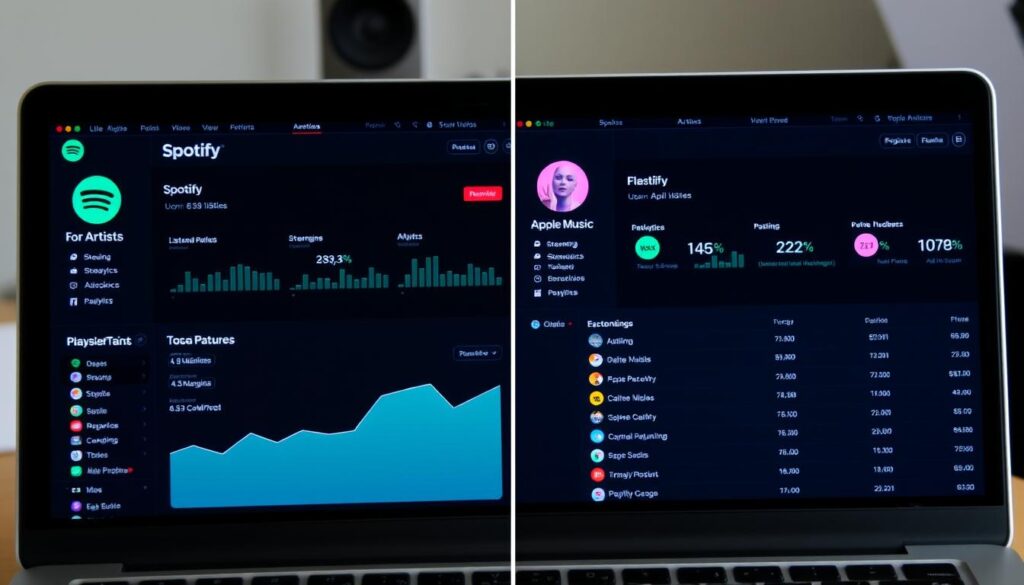
Spotify for Artists and Apple Music for Artists provide valuable data for optimizing your streaming strategy
Spotify-Specific Optimization
To maximize your presence on Spotify, focus on these platform-specific tactics:
Apple Music-Specific Tactics
Apple Music requires a different approach to maximize visibility:
Spotify Release Strategy
Release singles on Fridays to maximize New Music Friday consideration. Space releases 4-6 weeks apart to maintain algorithmic relevance without overwhelming fans.
Apple Music Release Strategy
Focus on complete releases with proper metadata. Ensure high-quality audio masters and accurate lyrics to improve placement in Apple’s editorially curated spaces.
Optimize Your Streaming Profiles
Make sure you’re getting the most from your streaming presence with professional profile optimization.
Success Stories: Music Marketing Strategies in Action
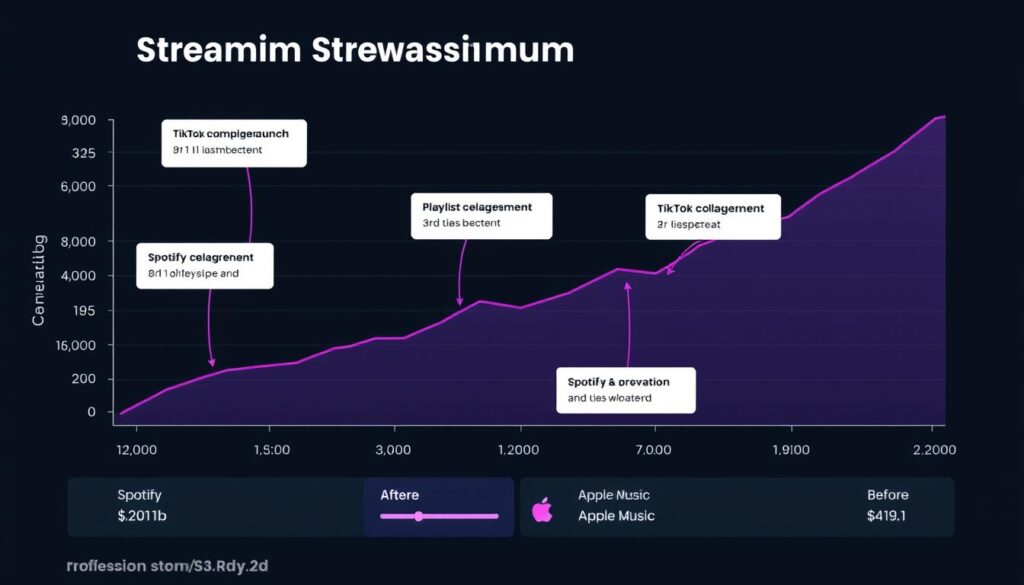
Strategic marketing can create exponential streaming growth for independent artists
Case Study 1: TikTok-Driven Streaming Success
Artist: Jaime Rodriguez
Starting point: 2,500 monthly listeners
Strategy implemented: Created a 15-second dance challenge using the chorus of his single “Summer Nights”
Execution: Partnered with 3 dance influencers to create the initial videos, then engaged with every user-generated video by commenting and sharing
Results: The sound was used in over 125,000 videos within two months. Monthly listeners grew to 175,000, and the track accumulated 4.2 million Spotify streams.
Key takeaway: Focus on creating easily replicable, short-form content that encourages participation rather than passive consumption.
Case Study 2: Playlist-Focused Growth Strategy
Artist: The Midnight Hour
Starting point: 8,000 monthly listeners, primarily from their hometown
Strategy implemented: Systematic playlist pitching campaign for their EP release
Execution: Researched 200+ playlist curators in their genre, created personalized pitches for each, and followed up with streaming data updates
Results: Secured placement on 47 independent playlists and 2 Spotify editorial playlists. Monthly listeners grew to 95,000 within three months, with 60% coming from playlist listeners.
Key takeaway: Quality outreach to the right curators is more effective than mass submissions. Providing curators with performance updates helps build lasting relationships.
Case Study 3: Cross-Platform Integration Strategy
Artist: Elena Kim
Starting point: 15,000 monthly listeners, strong YouTube presence but limited streaming numbers
Strategy implemented: Integrated content strategy across YouTube, TikTok, Instagram, and streaming platforms
Execution: Created a “content ecosystem” where each platform fed into others—YouTube videos generated clips for TikTok, which drove traffic to Spotify, which was promoted back on YouTube
Results: Monthly listeners grew to 320,000 within six months. Average streams per listener increased by 45%, indicating higher engagement and repeat listening.
Key takeaway: Create a cohesive cross-platform strategy rather than treating each platform in isolation. Guide listeners through a journey across your content ecosystem.
Implementation Plan: Putting Music Marketing Strategies into Action
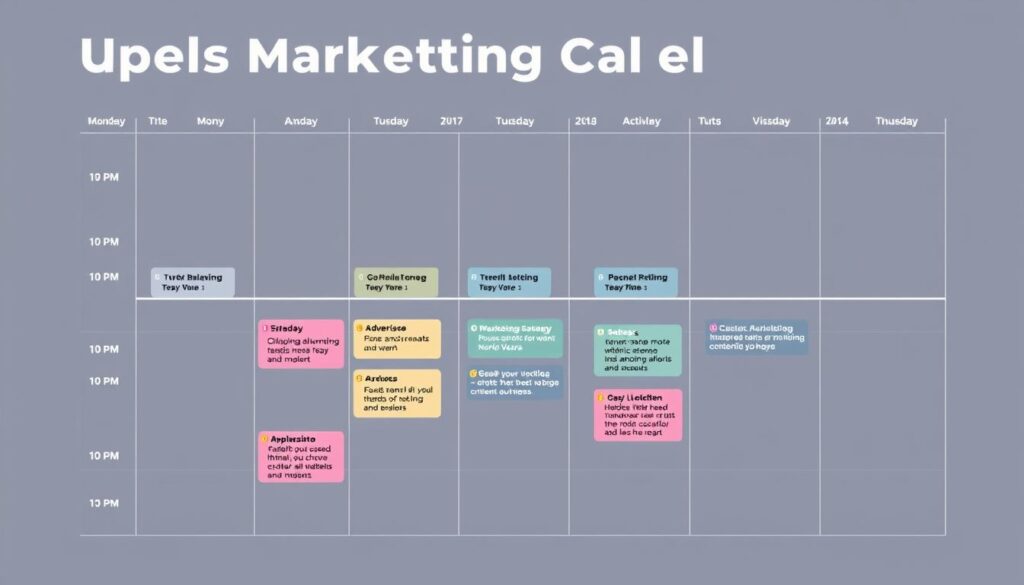
A structured implementation timeline helps coordinate your marketing efforts for maximum impact
To effectively implement these music marketing strategies, follow this structured approach based on your release timeline:
8-12 Weeks Before Release
4-8 Weeks Before Release
1-4 Weeks Before Release
Release Week and Beyond
Important: Don’t stop promoting after release day. The most successful campaigns maintain momentum for 4-6 weeks post-release, which is crucial for algorithmic performance on streaming platforms.
Conclusion: Sustainable Growth Through Strategic Marketing
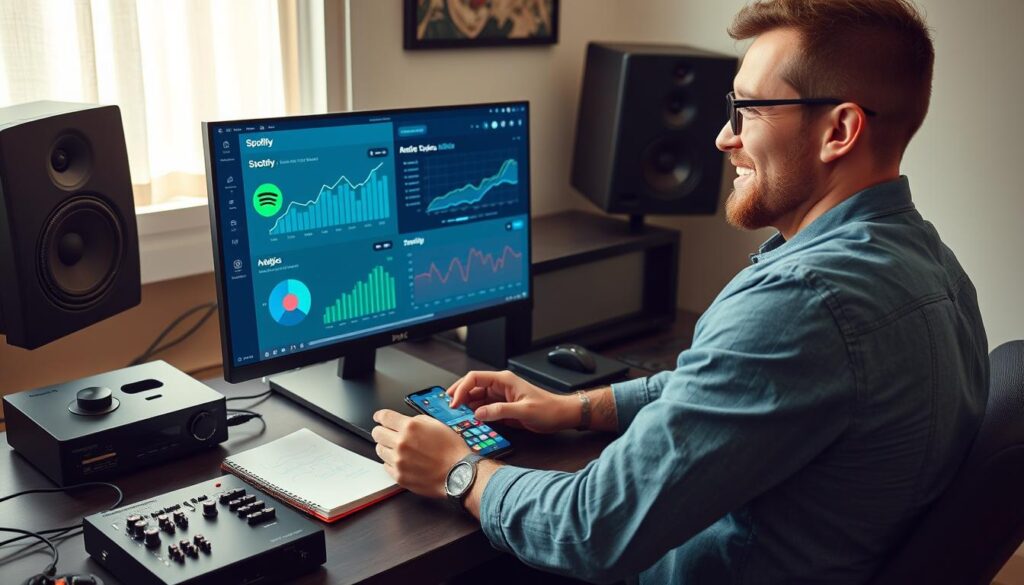
Consistent application of effective music marketing strategies leads to sustainable streaming growth
Implementing effective music marketing strategies for Spotify and Apple Music requires consistency, creativity, and data-driven decision making. The landscape continues to evolve, but the fundamental principles remain: create quality music, understand your audience, and strategically position your work where it can be discovered by the right listeners.
Remember that streaming success rarely happens overnight. The most successful independent artists build momentum gradually through persistent application of these strategies, learning and optimizing with each release. By combining playlist pitching, social media engagement, strategic collaborations, and platform-specific optimization, you can create a sustainable growth pattern for your streaming presence.
Most importantly, track your results, learn from each campaign, and continuously refine your approach. The strategies that work best for your music and your audience may differ from others, so use these frameworks as a starting point for developing your own unique music marketing approach.
Ready to Grow Your Streams?
Start implementing these proven music marketing strategies today to increase your visibility on Spotify and Apple Music.
Frequently Asked Questions About Music Marketing Strategies
How long does it take to see results from these music marketing strategies?
Results vary based on multiple factors including your existing audience, genre, and consistency of implementation. Some artists see noticeable growth within 2-4 weeks, while others build momentum over 3-6 months. Social media teasers often show the quickest results, while playlist pitching and algorithmic growth tend to build more gradually.
What’s the minimum budget needed for effective music marketing?
You can implement many of these strategies with minimal budget. Focus first on organic growth through content creation, playlist pitching, and collaborations. If you have a small budget (0-300), prioritize targeted ads to warm audiences who have already engaged with your content. As you see returns, gradually increase ad spend based on performance data.
Should I focus on Spotify or Apple Music if I have limited resources?
While both platforms are important, Spotify typically offers more growth opportunities for independent artists through its more robust playlist ecosystem and algorithmic recommendations. Check your existing streaming data—if you already have traction on one platform, it may make sense to focus there first and expand to others as you grow.
How important is it to release music consistently?
Consistent releases are crucial for algorithmic performance on streaming platforms. Aim to release new music every 6-8 weeks if possible, even if it’s just singles rather than full projects. This keeps you in listeners’ Release Radar playlists and signals to the platforms that you’re an active artist worth promoting.
Social Media Teasers: Building Pre-Release Momentum
TikTok has become a powerful platform for music promotion through short-form video teasers
Social media platforms, particularly TikTok, Instagram, and YouTube Shorts, have revolutionized how artists promote new releases. Creating engaging teasers can generate pre-save momentum and day-one streaming activity.
Creating Effective Short-Form Video Content
Short-form videos have become the most effective way to promote music on social media:
Platform-Specific Strategies
TikTok
Focus on creating repeatable trends with your music. Engage with comments and encourage user-generated content using your sound.
Instagram Reels
Leverage Instagram’s cross-posting to Facebook. Use more polished visuals and incorporate your artist branding consistently.
YouTube Shorts
Create content that drives viewers to your full music video or streaming links. Use YouTube’s end screens and cards for conversion.
“I created a simple TikTok teaser series for my single ‘Daydream’ that generated over 50,000 pre-saves before release day. The track hit 1 million streams in its first month.”
– Independent artist Emma Lowry