
Breaking through the noise in today’s saturated music industry can feel impossible for emerging artists. While creating original music remains essential, there’s a powerful strategy that many successful artists have leveraged to fast-track their growth: remixes. Creating remixes for new artists isn’t just about showcasing your production skills—it’s a strategic approach to tap into established audiences, gain visibility on streaming platforms, and build valuable connections in the industry. In this guide, we’ll explore how remixes can become your secret weapon for gaining traction and building a dedicated fanbase.
Why Remixes Work: The Power Behind the Strategy
Remixes have become a cornerstone of music promotion for both established and emerging artists. But what makes them such an effective tool for growth? Let’s break down the key reasons why remixes for new artists can be game-changing.
Tapping Into Existing Audiences
When you remix a track from another artist, you gain access to their established fanbase. These listeners are already engaged with the original song, making them more likely to check out your remix—and by extension, your original work. This cross-pollination of audiences is one of the most powerful aspects of remixing.
Algorithm Advantages
Streaming platforms like Spotify and Apple Music use algorithms that connect similar tracks. When your remix appears alongside a popular original, it benefits from increased visibility through “recommended” and “similar tracks” features. This algorithmic boost can significantly increase your plays and followers.
Building Industry Connections
Creating quality remixes opens doors to valuable relationships with other artists, labels, and industry professionals. A well-received remix can lead to official remix opportunities, collaborations, and even label signings.
Success Stories
Consider how Kygo rose to fame through his remixes of tracks like Ed Sheeran’s “I See Fire” and Marvin Gaye’s “Sexual Healing.” These remixes showcased his signature tropical house style and helped him build a massive following before releasing original music.
Similarly, Beyoncé’s “Break My Soul” remixes by producers like honey dijon and Terry Hunter introduced her music to club audiences while giving these producers massive exposure to her mainstream fanbase.

How to Create Strategic Remixes That Get Noticed
Not all remixes are created equal. To maximize the impact of your remixes for new artists, you need a strategic approach that considers song selection, production quality, and your unique artistic contribution.
Choosing the Right Original Track
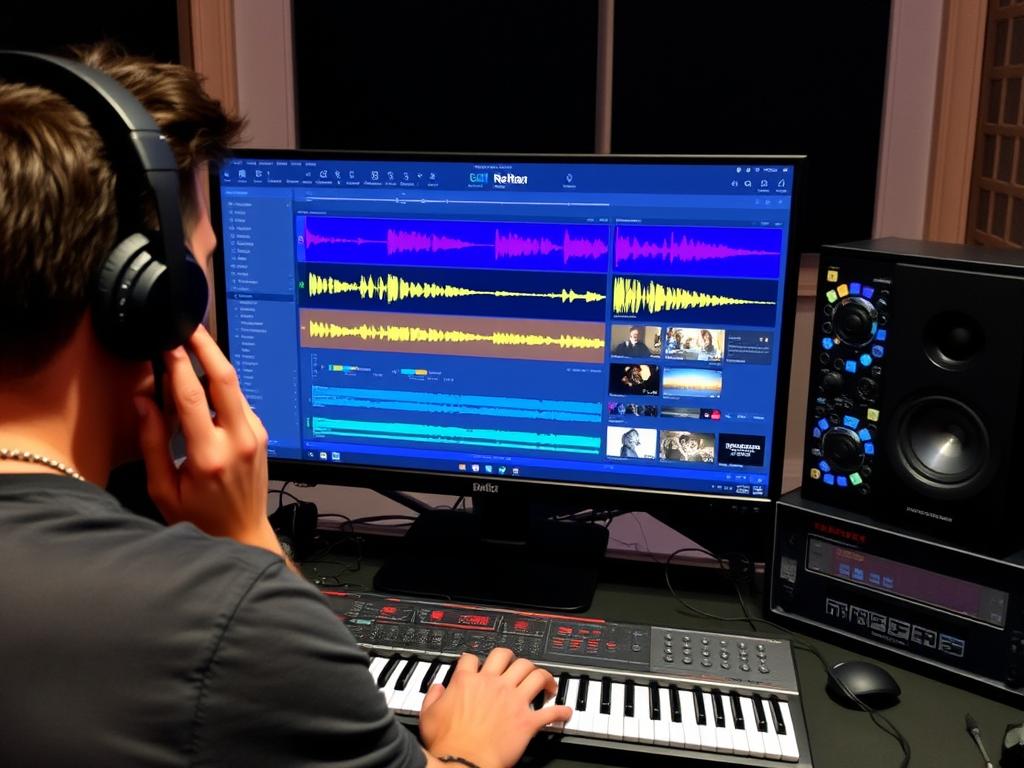
Song selection is perhaps the most crucial decision in your remixing strategy. Here’s how to choose wisely:
Adding Your Unique Elements
A successful remix strikes the perfect balance between honoring the original and showcasing your artistic vision. Here are ways to add your unique touch:
Technical Considerations and Legal Aspects
Creating remixes for new artists requires attention to both technical and legal details:
Technical Requirements
Legal Considerations
Ready to Start Remixing?
Join platforms like Splice or SKIO Music to access stems from artists looking for remixes and participate in official remix contests.
Promotion Tactics: Getting Your Remixes Heard
Creating a great remix is only half the battle—you also need a solid promotion strategy to ensure it reaches the right audiences. Here’s how to effectively promote your remixes for new artists:
Platform-Specific Strategies
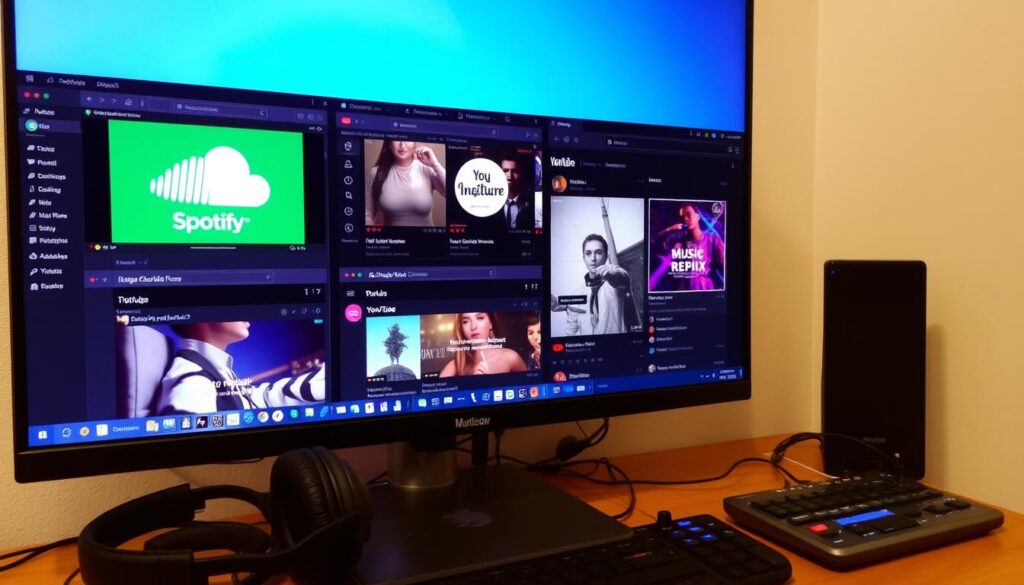
SoundCloud
Spotify & Streaming
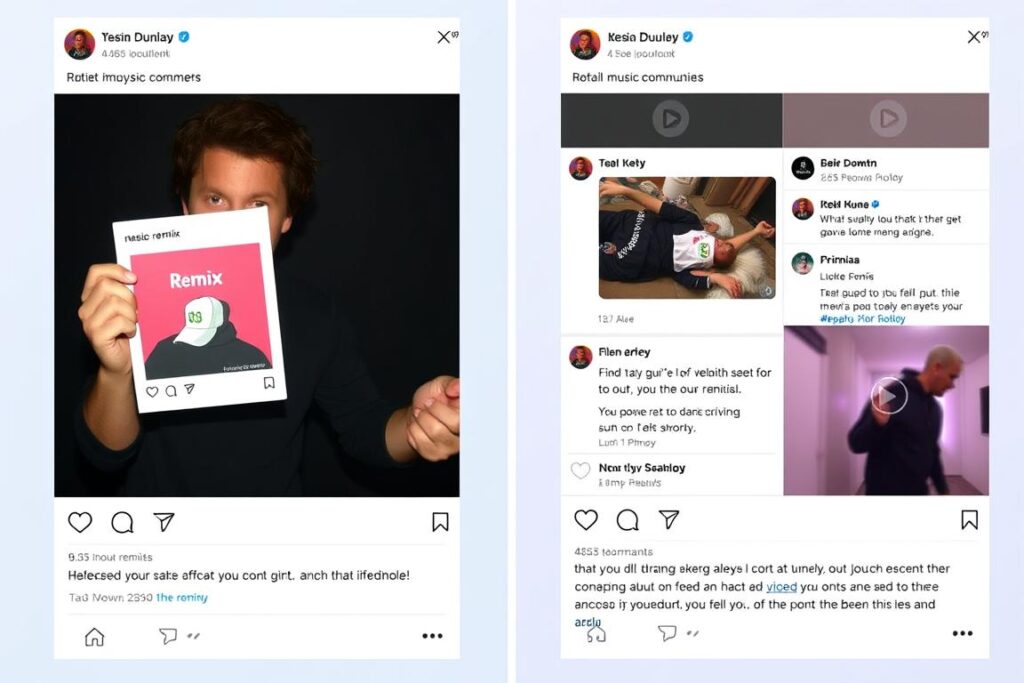
Social Media
Leveraging the Original Artist’s Audience
One of the most powerful aspects of remixes for new artists is the potential to tap into the original artist’s fanbase:
Building Relationships with Playlist Curators
Playlists can dramatically increase your remix’s visibility:
Case Study: How Remixes Launched a Career
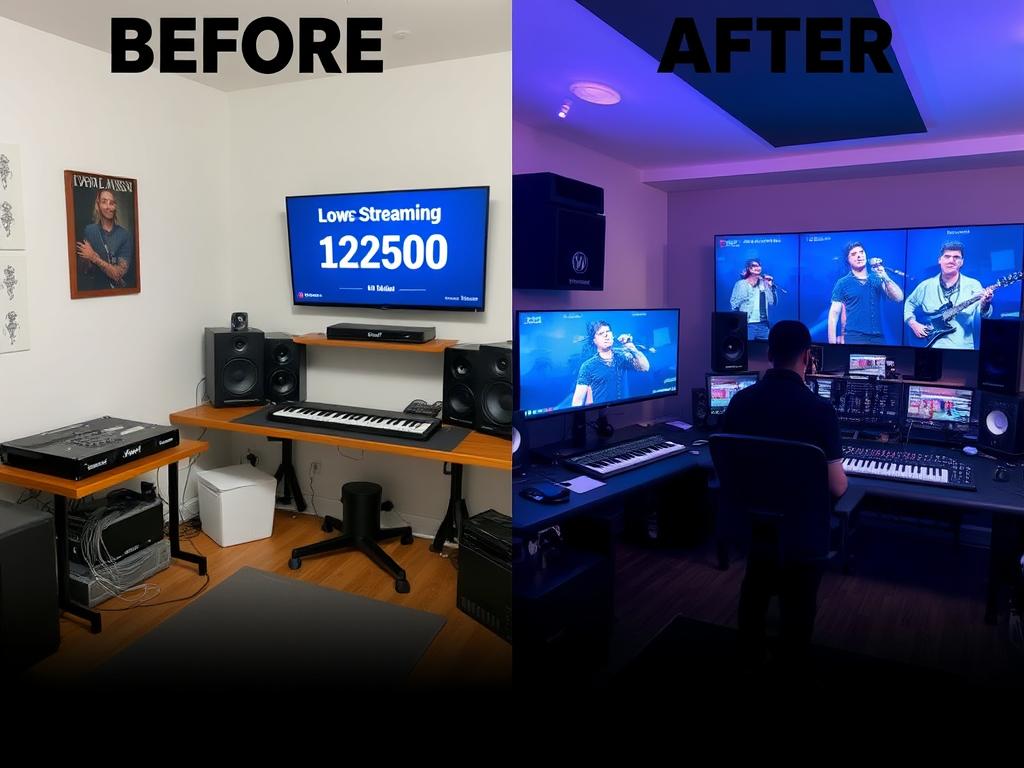
To understand the real-world impact of remixes for new artists, let’s examine how producer Lucian used remixes to build his career:
Lucian’s Journey
Before gaining recognition, Lucian was a relatively unknown producer creating original tracks with modest streaming numbers. His breakthrough came when he remixed Alessia Cara’s “Here,” transforming the R&B hit into an electronic dance track.
The remix gained over 5 million plays on SoundCloud and caught the attention of major blogs and industry professionals. This success led to his viral remix of “Lose My Mind,” which further cemented his reputation.
Key factors in Lucian’s success included:
Lessons from Successful Remix Artists
Studying artists who leveraged remixes for career growth reveals common patterns:
| Artist | Notable Remix | Result | Key Strategy |
| Kygo | Ed Sheeran – “I See Fire” | 50M+ streams, record deal with Sony | Developed distinctive tropical house style across all remixes |
| Kaytranada | Janet Jackson – “If” | Major label attention, festival bookings | Applied consistent soulful electronic approach to diverse tracks |
| Gryffin | Tove Lo – “Talking Body” | Major festival bookings, artist collaborations | Created melodic, emotional remixes with crossover appeal |
Ready to Follow Their Path?
Start by finding remix competitions where you can legally obtain stems and potentially get your work officially released.
Navigating the Legal Landscape of Remixes
Understanding the legal aspects of remixes for new artists is crucial to avoid potential issues and maximize opportunities for official releases.
Types of Remixes and Their Legal Status

How to Protect Yourself and Respect Copyright
Follow these guidelines to ensure your remixing activities remain above board:
Do’s
Don’ts
Platforms for Legal Remixing
Several platforms specialize in facilitating legal remixing opportunities:
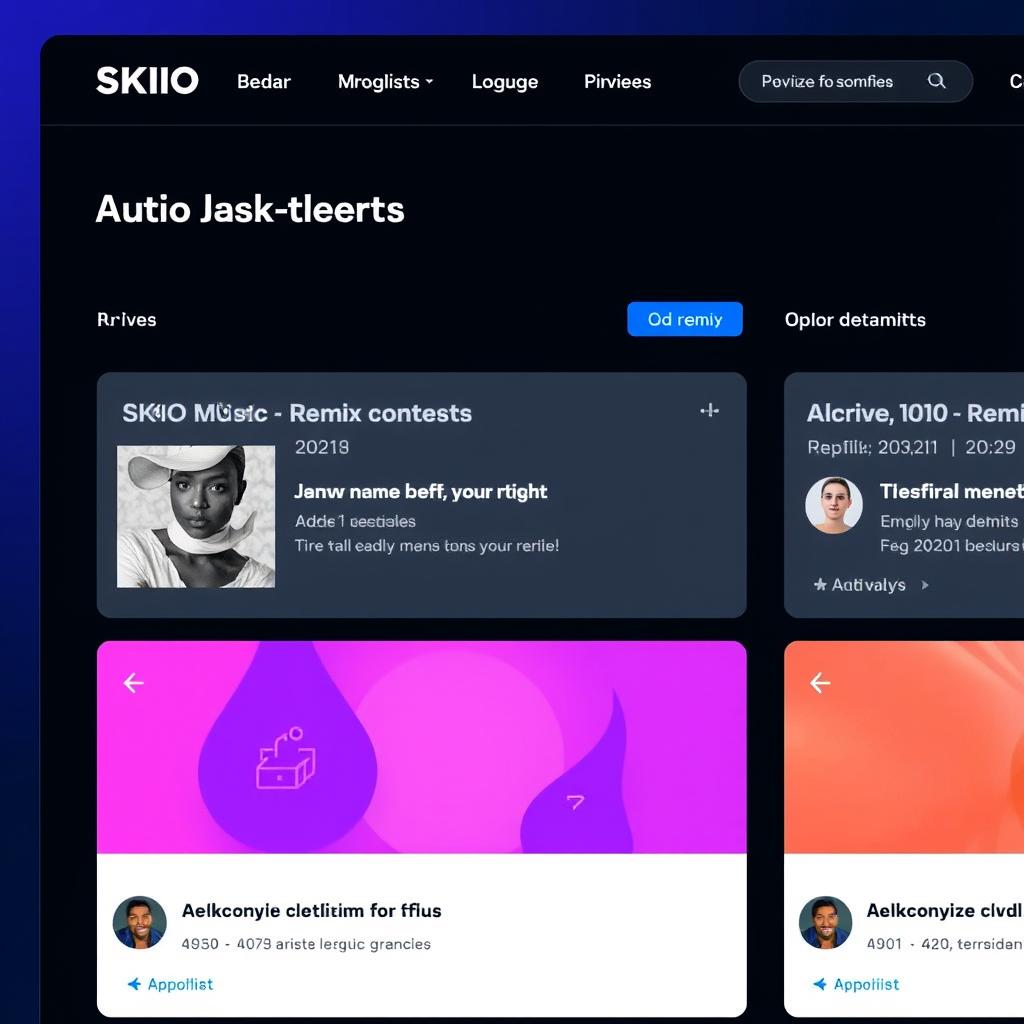
SKIO Music
Specializes in remix contests with official stems and potential for official releases.
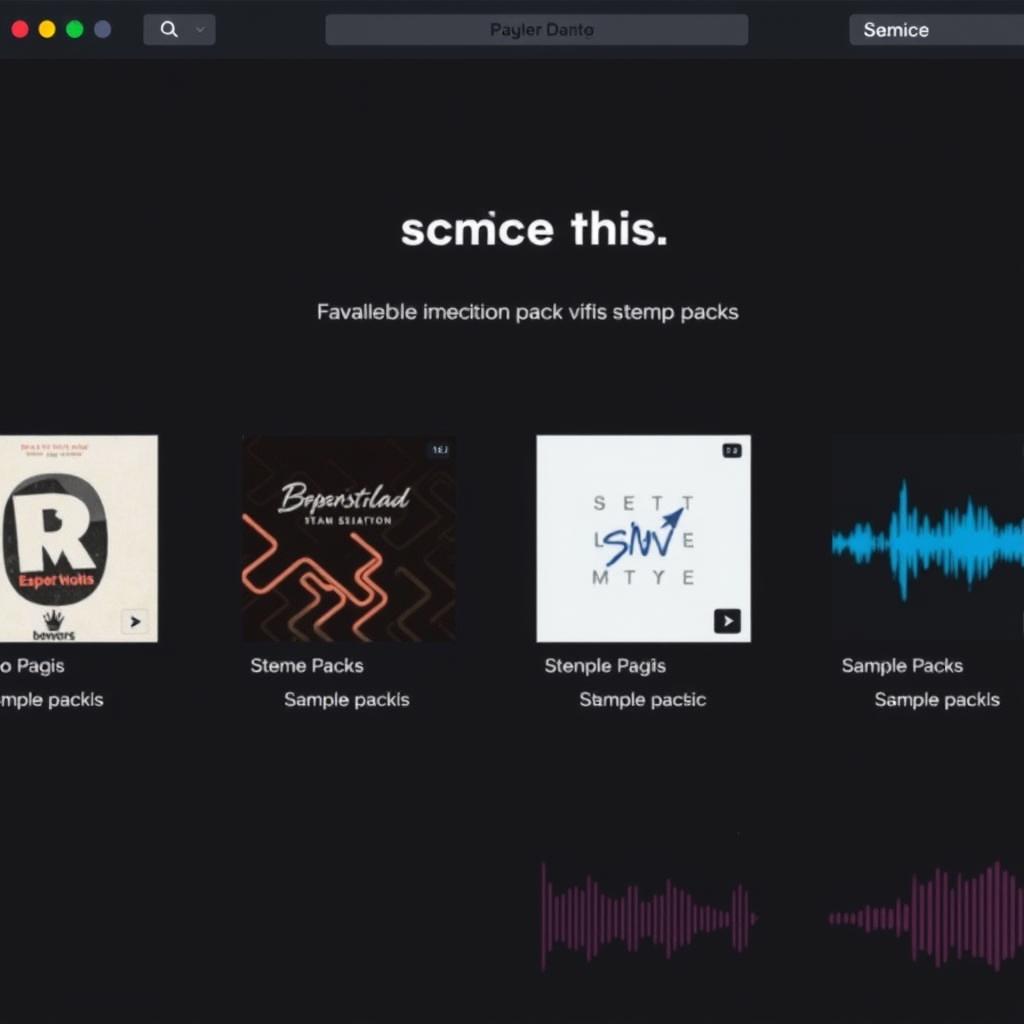
Splice
Offers licensed sample packs and occasionally stems from major artists for remixing.
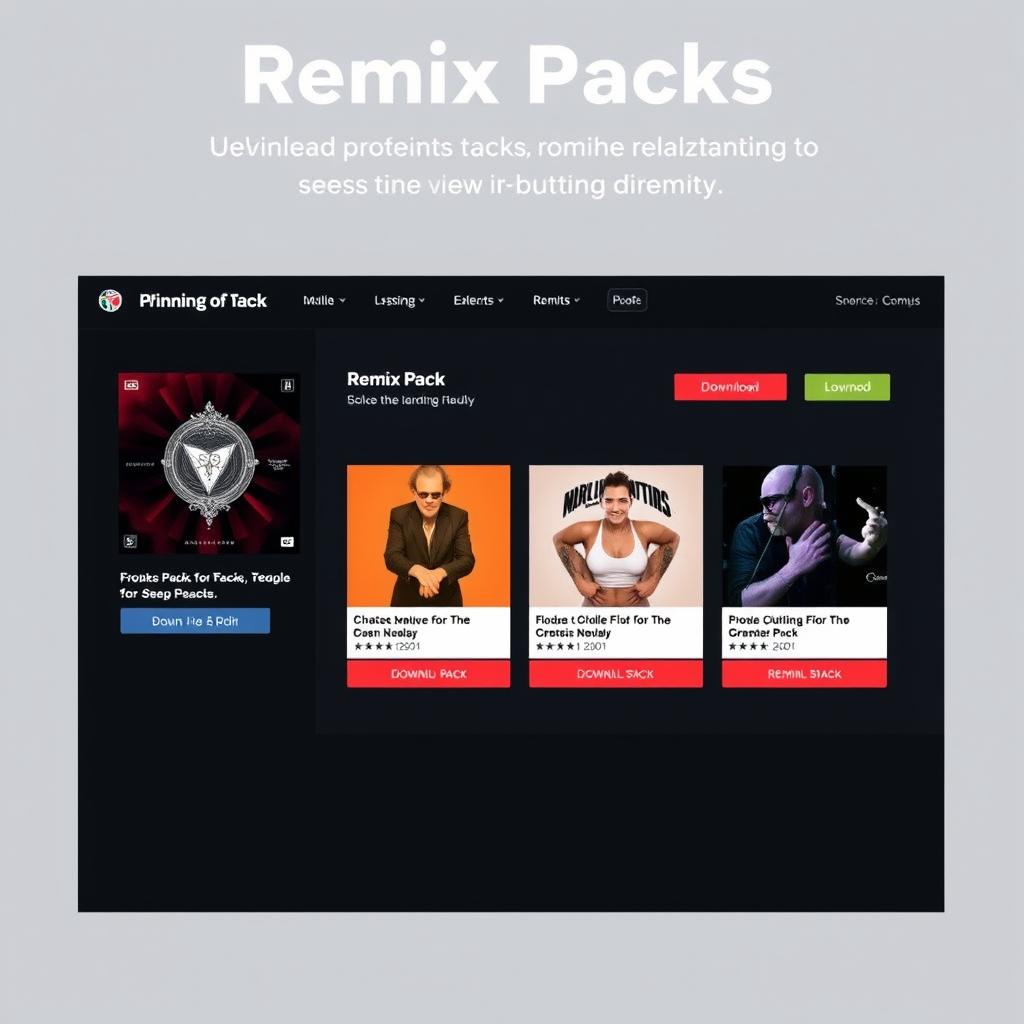
Remix Packs
Aggregates legal remix opportunities and stem releases from across the web.
Conclusion: Your Remix Journey Starts Now
Remixes offer new artists a powerful pathway to visibility, audience growth, and industry connections. By strategically selecting tracks to remix, adding your unique artistic vision, and promoting your work effectively, you can use remixes as a stepping stone to a thriving music career.
Remember that while remixes can significantly boost your popularity, they should complement—not replace—your original productions. The most successful artists use remixes to showcase their production skills and unique style, ultimately drawing listeners to their original work.
The world of remixes for new artists is full of opportunities for those willing to put in the effort and approach the craft with creativity and respect for the original material. Whether you’re looking to build your technical skills, expand your audience, or make valuable industry connections, remixing offers a path forward.
Start Your Remix Journey Today
Ready to leverage the power of remixes to boost your music career? Begin by exploring official remix contests or reaching out to fellow independent artists about collaboration opportunities.
“Remixing isn’t just about reworking someone else’s music—it’s about adding your unique voice to the conversation and building bridges between artistic communities.”