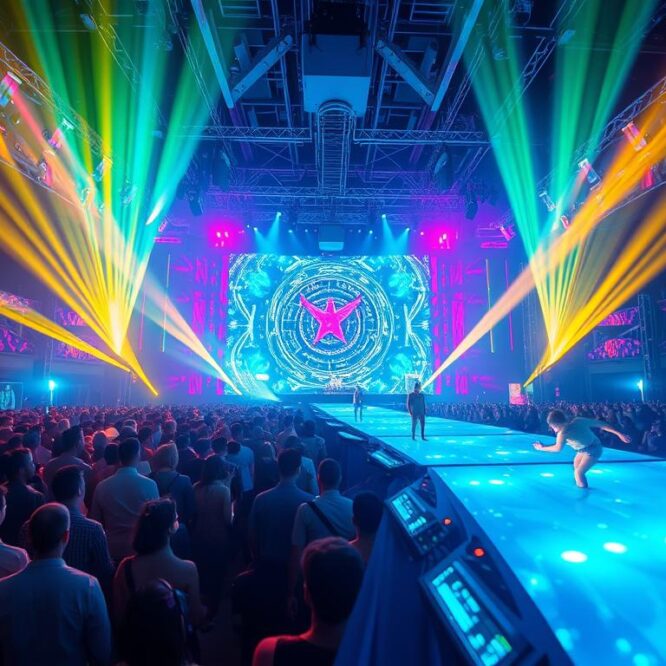
Electronic Dance Music (EDM) continues to evolve at a breathtaking pace, shaped by technological innovation, cultural shifts, and artistic experimentation. As we look toward 2025, the landscape of dance music stands at a fascinating crossroads where artificial intelligence, immersive experiences, and global influences are converging to create new sonic possibilities.
The global EDM market, valued at approximately $10.2 billion in 2025 according to industry reports, shows no signs of slowing down. This growth is fueled by streaming platforms, virtual events, and an increasingly interconnected global music community that transcends traditional boundaries of genre and geography.
Emerging EDM & Dance Music Trends 2025
The electronic music scene of 2025 is characterized by rapid innovation and the blurring of traditional genre boundaries. Several key trends are reshaping how dance music is created, performed, and experienced by audiences worldwide.
AI-Driven Music Production and Co-Creation
Artificial intelligence has evolved from a novelty to an essential creative partner for many producers. In 2025, AI tools have advanced beyond simple loop generation to become sophisticated co-creators that can analyze musical patterns, suggest arrangements, and even develop unique sonic signatures.
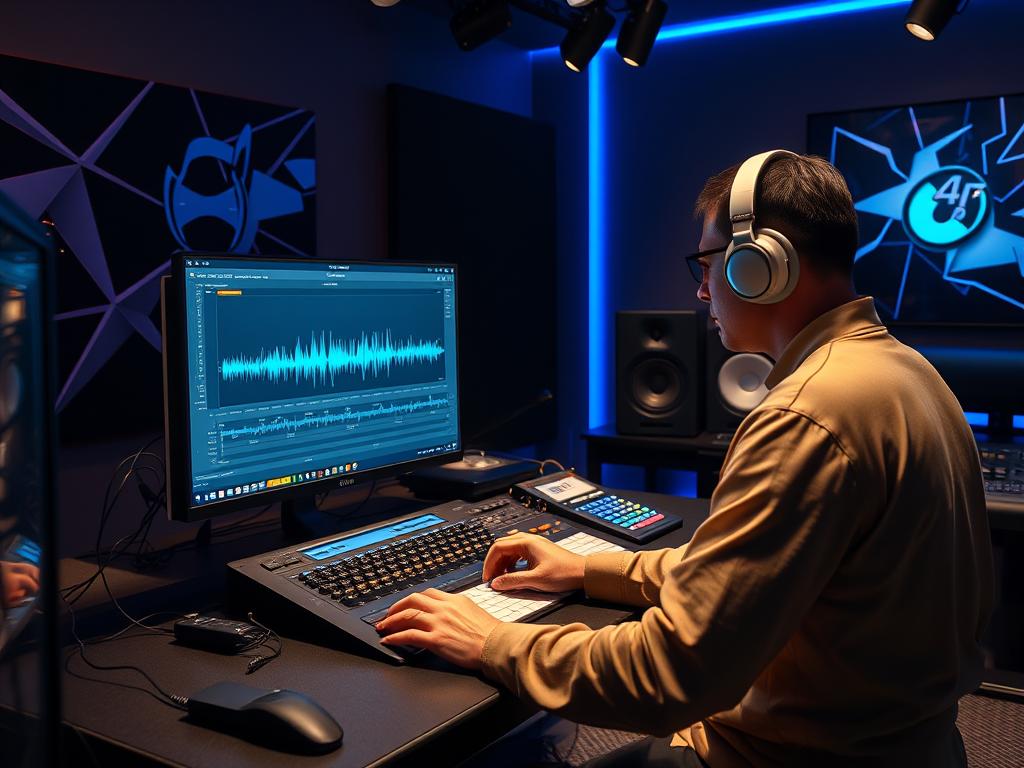
Platforms like Suno AI and Udio now enable producers to generate complete musical sections based on text prompts, while more specialized tools offer AI-driven mastering, vocal synthesis, and real-time arrangement suggestions. Rather than replacing human creativity, these tools are expanding the possibilities for expression and helping artists overcome creative blocks.
“AI isn’t replacing creativity—it’s augmenting it,” notes electronic music pioneer Brian Eno in a recent interview. “The most interesting work happens when human intuition and machine precision collaborate rather than compete.”
Get the Complete 2025 EDM Production Guide
Discover how leading producers are integrating AI tools into their workflows with our comprehensive guide featuring exclusive interviews and step-by-step tutorials.
Immersive Spatial Audio Experiences
The way we experience dance music is undergoing a fundamental transformation with spatial audio technology becoming the new standard. Beyond traditional stereo, spatial audio creates three-dimensional soundscapes that envelop listeners and create more immersive experiences.
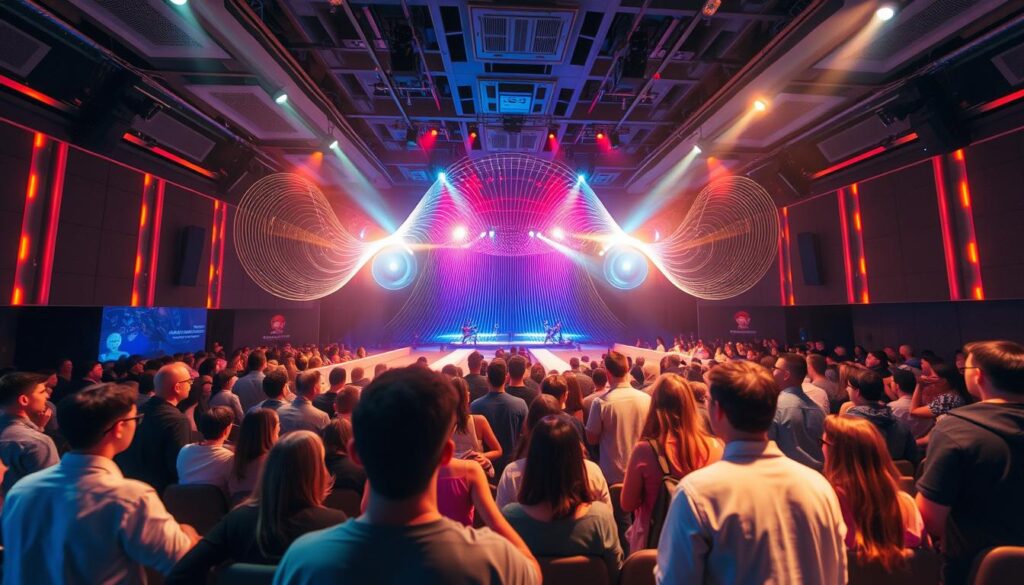
Major streaming platforms have embraced spatial audio formats, with 78% of new electronic releases now available in Dolby Atmos or Sony 360 Reality Audio. This shift is influencing how producers approach composition, with many now designing sounds specifically for three-dimensional movement rather than traditional stereo placement.
Live events are also being transformed by spatial audio installations that allow sound designers to move individual elements around venues in real-time, creating dynamic sonic environments that respond to crowd energy and performer input.
Hybrid Live-Electronic Performances
The line between traditional DJing and live performance continues to blur in 2025. Artists are increasingly incorporating live instrumentation, real-time production, and interactive elements into their sets, creating unique experiences that cannot be replicated through recordings alone.
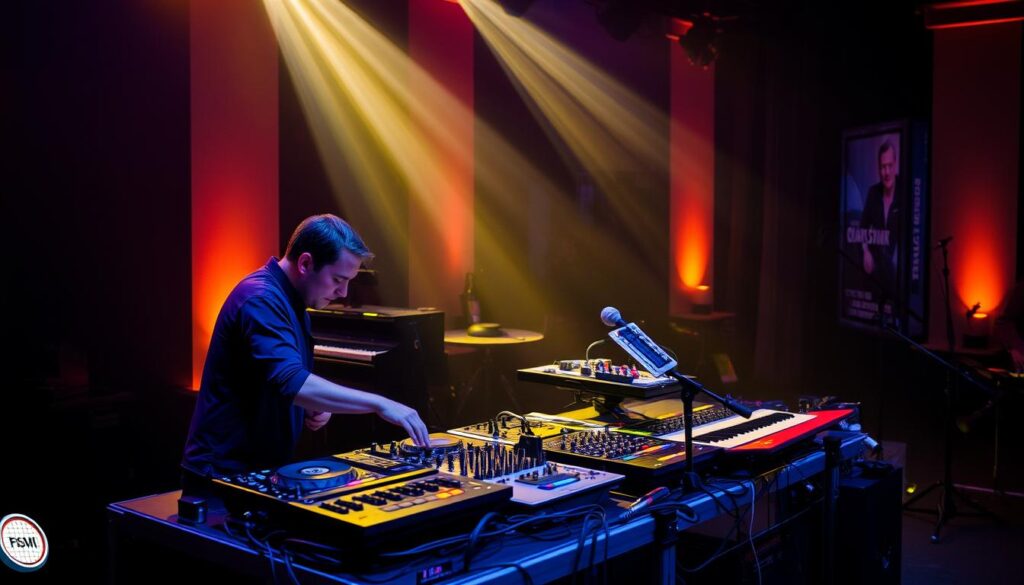
This trend is driven by audience demand for authenticity and unique experiences. According to a survey by music analytics firm Viberate, 65% of electronic music fans now prefer shows with live elements over traditional DJ sets. This has led to the development of new performance technologies that bridge the gap between spontaneous creation and prepared material.
Artists like Bonobo, Four Tet, and Floating Points have pioneered this approach, inspiring a new generation of performers who seamlessly blend sampling, synthesis, and live instrumentation. The result is a more dynamic and emotionally engaging experience that retains the energy of dance music while adding the unpredictability of live performance.
Global Fusion and Cultural Cross-Pollination
The electronic music of 2025 is characterized by unprecedented cultural exchange and genre hybridization. Traditional boundaries between EDM, global folk traditions, and indigenous music have dissolved, creating rich new sonic territories.
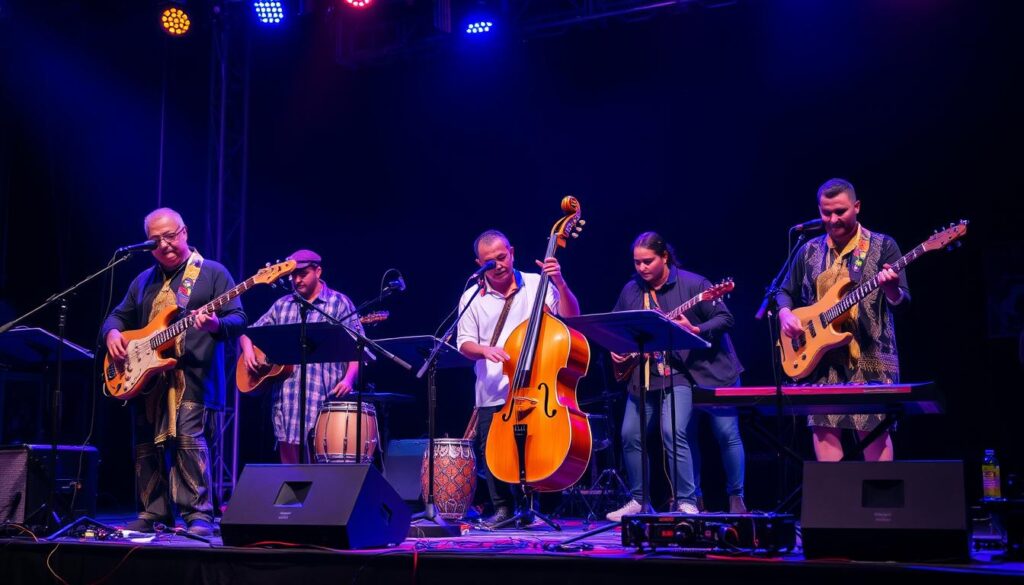
Genres like Amapiano from South Africa, Baile Funk from Brazil, and various Middle Eastern electronic styles have gained global prominence, influencing mainstream EDM production. This cross-pollination is creating distinctive regional scenes while contributing to a more diverse global electronic music landscape.
“The most exciting music today happens at cultural intersections,” explains producer Diplo, who has collaborated with artists across six continents. “Technology has removed geographic barriers, allowing producers to incorporate authentic elements from traditions worldwide.”
Technology’s Role in Shaping EDM & Dance Music Trends 2025
Technological innovation continues to be the primary driver of change in electronic music. From production tools to performance technology and distribution methods, several key developments are reshaping the industry.
Advanced Production Tools and Accessibility
Music production has become simultaneously more sophisticated and more accessible. Cloud-based digital audio workstations (DAWs) now offer professional-grade capabilities through subscription models, democratizing access to high-quality production tools.
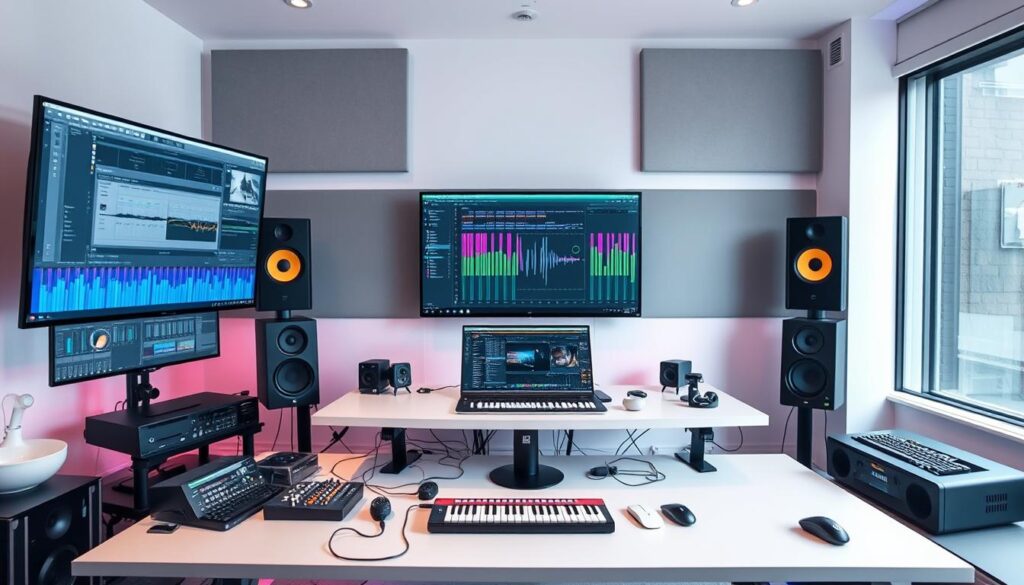
Machine learning algorithms now assist with everything from drum programming to mixing decisions, helping novice producers achieve professional-sounding results while giving experienced creators new tools for experimentation. These advancements have led to an explosion of new talent entering the scene from previously underrepresented regions and backgrounds.
According to industry data, the number of tracks uploaded to major distribution platforms has increased by 40% since 2023, with much of this growth coming from emerging markets in Africa, Southeast Asia, and Latin America.
Master the Latest Production Techniques
Our exclusive guide breaks down the cutting-edge production methods behind 2025’s biggest tracks with insights from Grammy-winning producers and sound designers.
Virtual and Augmented Reality Experiences
Virtual reality (VR) and augmented reality (AR) have transformed from novelties to essential platforms for electronic music experiences. Major festivals now offer parallel VR versions that allow global participation, while AR enhances physical events with interactive visual layers.
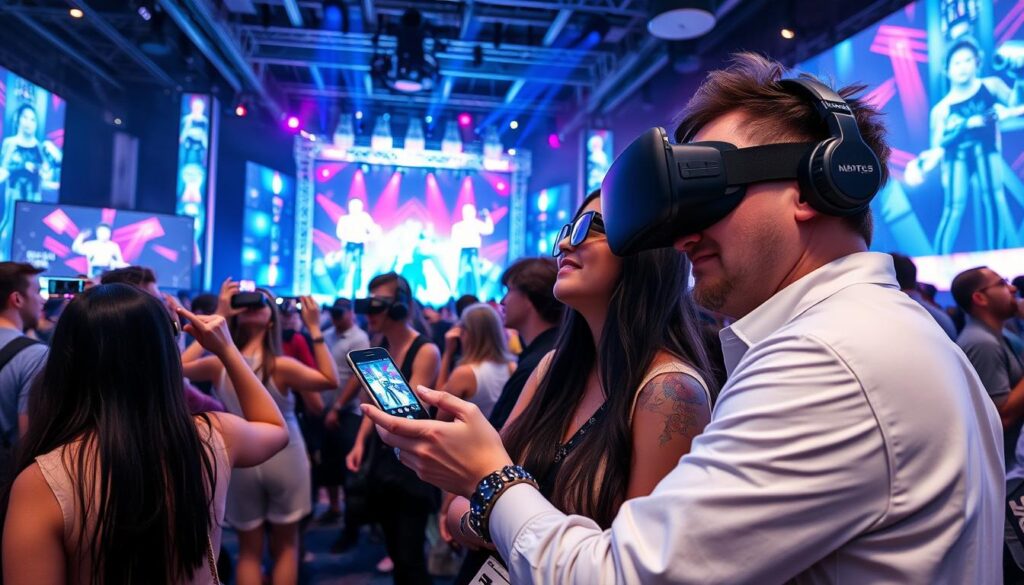
Platforms like Wave and Sensorium Galaxy host exclusive performances in fully realized virtual worlds, allowing artists to create experiences that would be physically impossible in traditional venues. These platforms reported over 45 million unique attendees in 2024, demonstrating the growing appetite for digital music experiences.
AR applications are also enhancing physical events, with festival-goers using smartphones or specialized glasses to access interactive visual layers, exclusive content, and social features that complement the live experience.
Blockchain and the Creator Economy
Blockchain technology has evolved beyond its initial hype to provide practical solutions for artist compensation and digital ownership. Smart contracts now enable more transparent royalty distribution, while tokenization allows fans to directly support artists and share in their success.
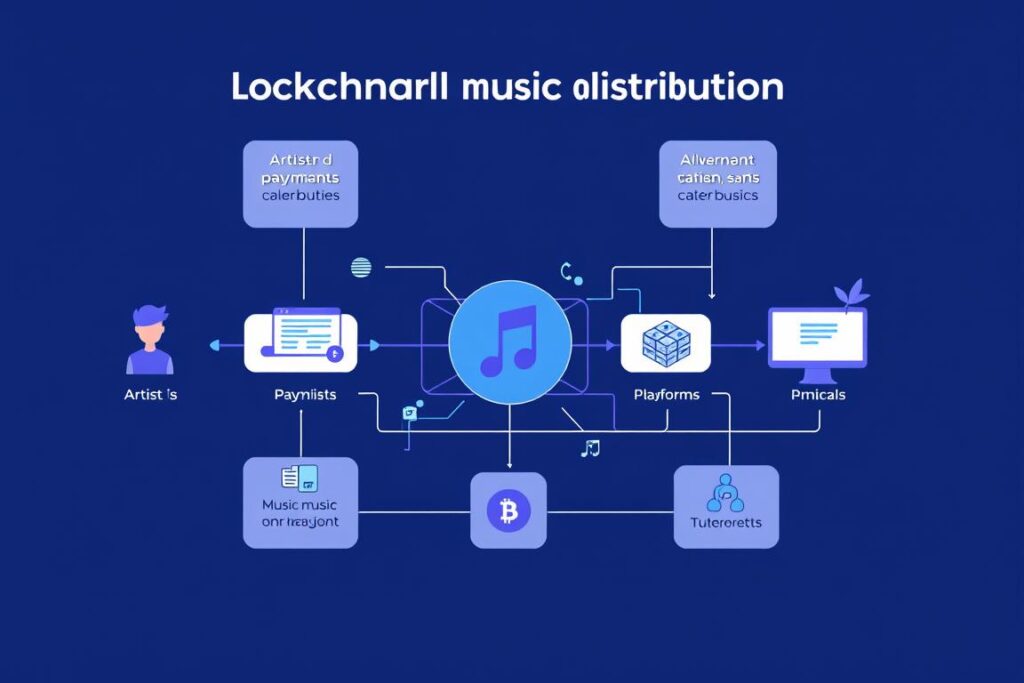
According to blockchain music platform Audius, artists earned an average of 5.3 times more per stream compared to traditional platforms in 2024. This economic model is particularly beneficial for electronic music producers, who often struggled with fair compensation in traditional streaming models.
“Blockchain isn’t just changing how we get paid—it’s changing the relationship between artists and fans,” explains techno producer and blockchain advocate Richie Hawtin. “It removes intermediaries and creates direct connections that benefit both sides of the equation.”
Cultural Shifts Influencing EDM & Dance Music Trends 2025
Beyond technology, broader cultural movements are reshaping electronic music’s development and reception. These shifts reflect changing values and priorities among both creators and audiences.
Sustainability in Production and Performance
Environmental consciousness has become a central concern for the electronic music community. Festivals and venues are implementing comprehensive sustainability measures, while artists are rethinking touring practices to reduce their carbon footprint.
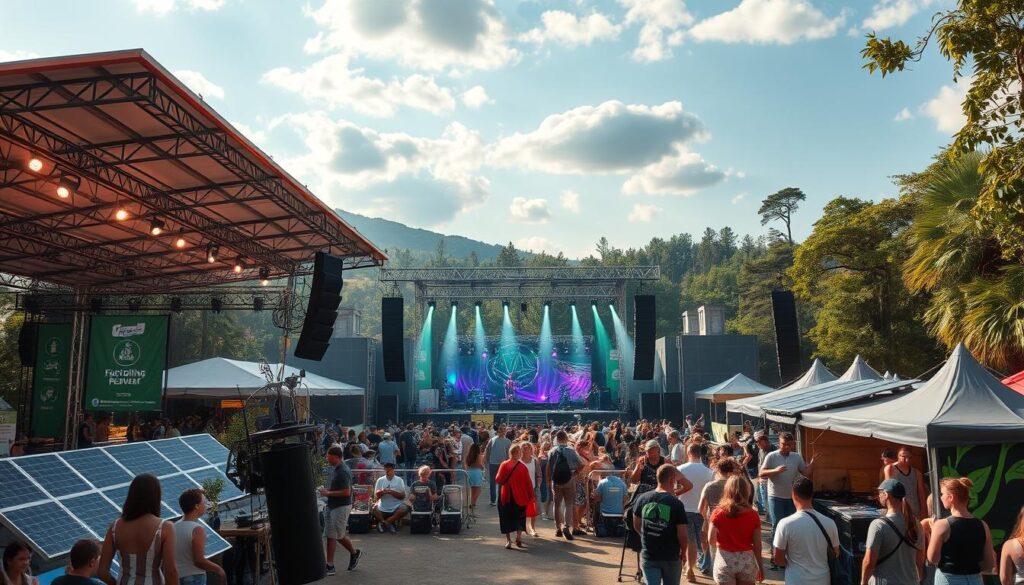
Major events like Tomorrowland and Electric Daisy Carnival have committed to carbon neutrality by 2026, implementing renewable energy sources, waste reduction programs, and carbon offset initiatives. These efforts are supported by a growing audience demand for environmentally responsible entertainment.
Artists are also embracing sustainable practices in their production processes, with many studios now powered by renewable energy and an increasing focus on digital distribution over physical media. This shift reflects the industry’s recognition of its environmental responsibilities and the desire to ensure a sustainable future for live music events.
Inclusivity and Representation
The electronic music scene of 2025 is characterized by greater diversity and inclusion across all aspects of the industry. Initiatives to support underrepresented artists have led to more diverse festival lineups, label rosters, and production credits.
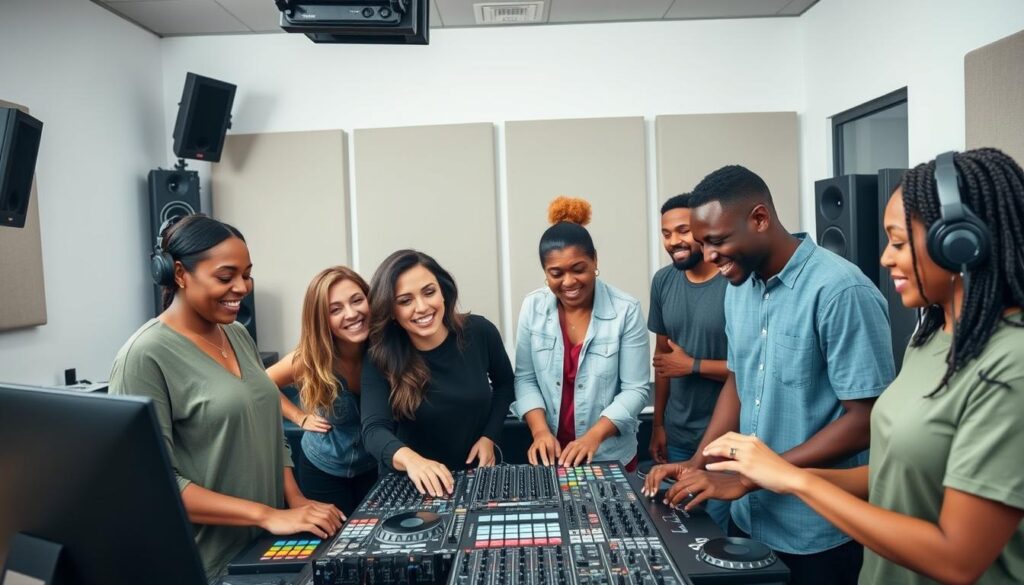
Organizations like Keychange and She Said So have helped drive this transformation through mentorship programs, educational initiatives, and advocacy. The results are evident in festival statistics, with major events achieving gender-balanced lineups and greater geographic diversity among performers.
This increased representation has enriched the creative landscape, bringing fresh perspectives and sounds to electronic music. As barriers to entry continue to fall, the scene is benefiting from voices that were previously marginalized or excluded.
Explore the Complete Trend Analysis
Our in-depth report covers all aspects of the evolving EDM landscape with exclusive data, artist interviews, and regional spotlights from around the globe.
Social Media and TikTok’s Influence
Social media platforms continue to shape how electronic music is discovered, promoted, and consumed. TikTok in particular has emerged as a kingmaker for electronic tracks, with viral clips frequently propelling songs from obscurity to mainstream success.
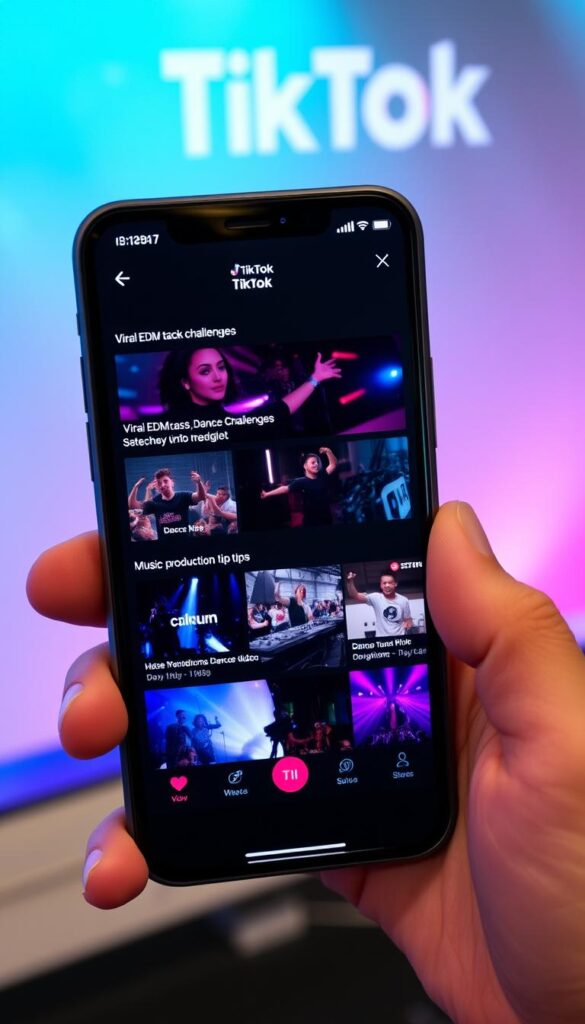
Producers are increasingly creating “TikTok-optimized” sections in their tracks—catchy 15-second hooks designed specifically for the platform. According to music analytics firm MRC Data, tracks that achieve viral status on TikTok see an average streaming increase of 1,300% across other platforms within two weeks.
This dynamic has changed how labels and artists approach marketing, with many now prioritizing social media-friendly content over traditional promotion channels. The result is a more direct connection between creators and audiences, though critics argue this can sometimes prioritize virality over artistic depth.
Expert Predictions for EDM & Dance Music Trends 2025
Industry leaders and visionaries offer their perspectives on where electronic music is headed in the coming years. These insights provide a window into potential developments that could shape the scene’s evolution.
The Future of Festivals and Live Events
Despite the growth of virtual experiences, physical gatherings remain central to electronic music culture. However, the format and focus of these events are evolving to meet changing audience expectations.
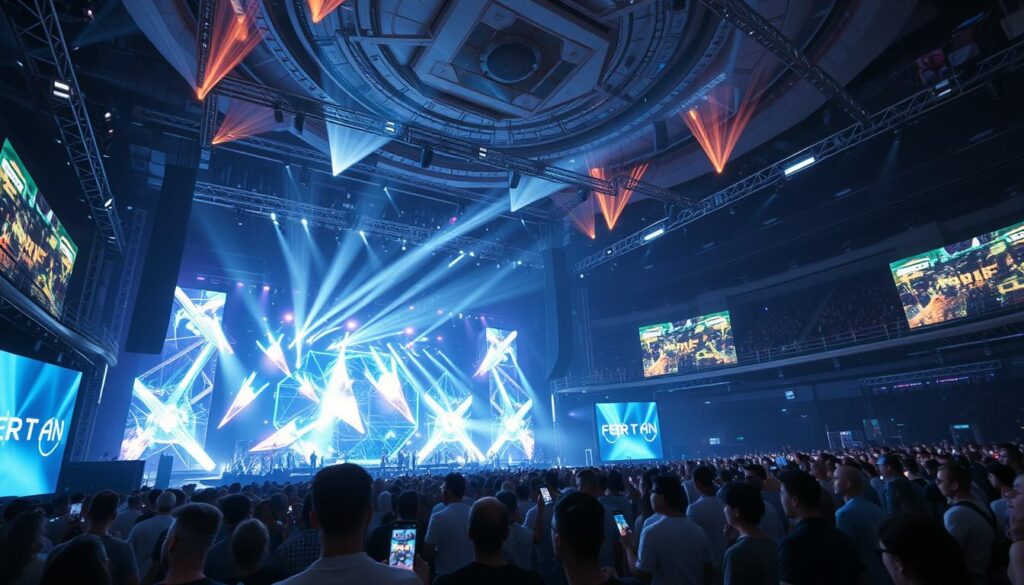
“The future of festivals isn’t just bigger—it’s smarter,” explains Pasquale Rotella, founder of Insomniac Events. “We’re creating adaptive environments that respond to crowd energy, weather conditions, and even individual preferences through wearable technology.”
Industry analysts predict a continued shift toward boutique experiences alongside mega-festivals, with more events focusing on curated lineups, immersive art installations, and wellness components. This diversification reflects the maturing audience for electronic music, with different event formats serving different segments of the community.
Evolution of Fan Engagement
The relationship between artists and fans is becoming more direct and participatory. Subscription models, community platforms, and tokenized engagement are creating new ways for audiences to support creators and participate in the creative process.
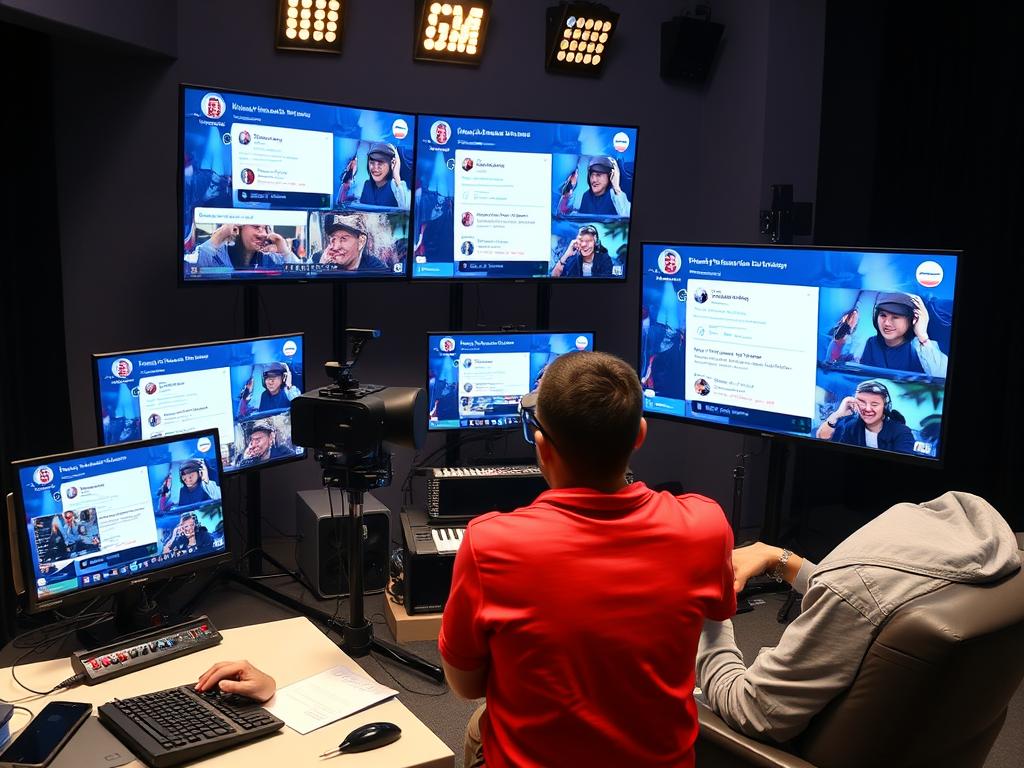
“The most successful artists in 2025 aren’t just making great music—they’re building communities,” notes music futurist Cherie Hu. “Platforms that enable meaningful interaction between artists and fans are becoming as important as the music itself.”
This trend is evident in the rise of artist-owned platforms that offer exclusive content, early access to releases, and behind-the-scenes insights. These direct channels allow creators to maintain artistic independence while building sustainable careers outside traditional industry structures.
Emerging Subgenres and Sonic Directions
Electronic music continues to fragment and recombine in unexpected ways, with several emerging subgenres gaining prominence in 2025. These new sounds reflect both technological capabilities and cultural influences.
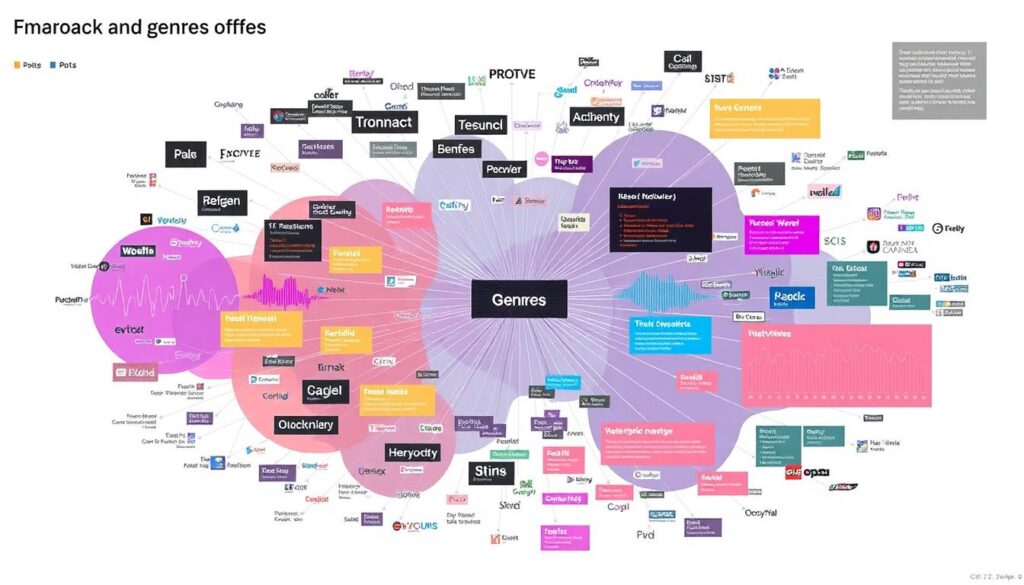
Biomimetic Techno, which incorporates generative algorithms based on natural patterns, has gained traction in underground scenes. Meanwhile, Quantum House uses probability-based composition techniques that create tracks that subtly change with each listen.
“We’re seeing a fascinating tension between hyper-digital sounds and organic textures,” observes music journalist Shawn Reynaldo. “The most interesting artists are finding the sweet spot between technological precision and human imperfection.”
Other notable developments include the continued evolution of Amapiano into global club contexts, the resurgence of breakbeat-influenced styles, and the emergence of climate-conscious ambient music that sonifies environmental data.
The Evolving Landscape of EDM & Dance Music Trends 2025
As we’ve explored throughout this analysis, electronic dance music in 2025 stands at a fascinating intersection of technological innovation, cultural evolution, and artistic experimentation. The boundaries between creator and audience, physical and digital, and local and global continue to blur, creating new possibilities for expression and experience.
The trends shaping EDM today—AI-assisted creation, immersive audio, hybrid performances, and cross-cultural fusion—reflect broader shifts in how we create and consume culture in an increasingly connected world. Yet despite these technological advancements, the fundamental appeal of electronic music remains its ability to create communal experiences and emotional connections through sound and rhythm.
As the scene continues to evolve, the most successful artists and events will be those that embrace innovation while staying true to the core values that have always defined dance music: inclusivity, creativity, and the joy of shared experience. The future of EDM is not just about new sounds and technologies—it’s about creating meaningful connections in an increasingly complex world.
Stay Ahead of the Curve
Get our complete guide to EDM & Dance Music Trends 2025 with expanded analysis, exclusive interviews, and actionable insights for producers, DJs, and electronic music fans.