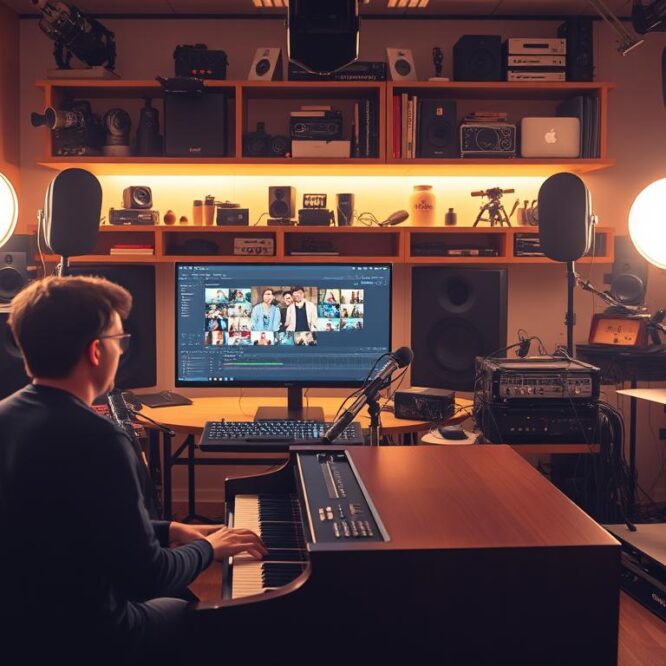
What started as a video-sharing website has become a global powerhouse for creative professionals. Digital platforms now offer musicians unique ways to earn from their craft, with one standout service leading the charge. Recent data shows the U.S. music industry grew 18% since 2017, reaching $212 billion, while supporting millions of jobs worldwide.
Artists today can leverage massive audiences – over 1.5 billion monthly users – to turn their compositions into steady income. Licensing agreements and royalty systems have transformed how creators profit from their work. For Indian musicians, this shift opens doors to global exposure while maintaining local cultural relevance.
Finding the right partnerships makes all the difference. Some channels focus on cinematic scores, while others need upbeat tracks for lifestyle content. This guide highlights platforms where your music can shine and generate revenue. We’ll simplify the process of submitting work, negotiating deals, and tracking earnings.
Key Takeaways
- Global video platforms now drive significant income streams for composers
- Licensing opportunities vary by channel type and audience demographics
- Proper submission strategies increase visibility for your tracks
- Royalty structures differ across content creator networks
- Emerging artists can build careers through consistent placements
Overview: The Evolution of Music on YouTube
What began with user-generated clips has transformed into a cornerstone for music distribution and discovery. When the platform launched in 2005, few predicted its power to reshape entire industries. Today, 1 in 3 internet users engages with musical content here weekly.
Historical Context and Growth
The early days featured grainy concert footage and garage band recordings. By 2010, HD capabilities and monetization features attracted professionals. This shift turned casual uploads into polished music videos reaching global audiences.
Current Trends in Video Content
Three formats now dominate:
- Tutorials explaining complex techniques
- Behind-the-scenes studio sessions
- Background tracks for vlogs and podcasts
Creators increasingly seek original scores rather than copyrighted songs. This demand fuels opportunities for composers worldwide.
Future Potential for Musicians
Emerging technologies like AI matching systems will streamline music licensing. Improved analytics help artists understand what resonates with specific audiences. For Indian creators, this means blending traditional instruments with modern beats could capture both local and international listeners.
The Importance of Earning Royalties for Music Backgrounds
Smart licensing turns compositions into long-term income streams. Unlike one-time payments, royalties let artists get paid repeatedly when their work gets reused. This system rewards quality over quantity, making it ideal for creators focused on sustainable careers.
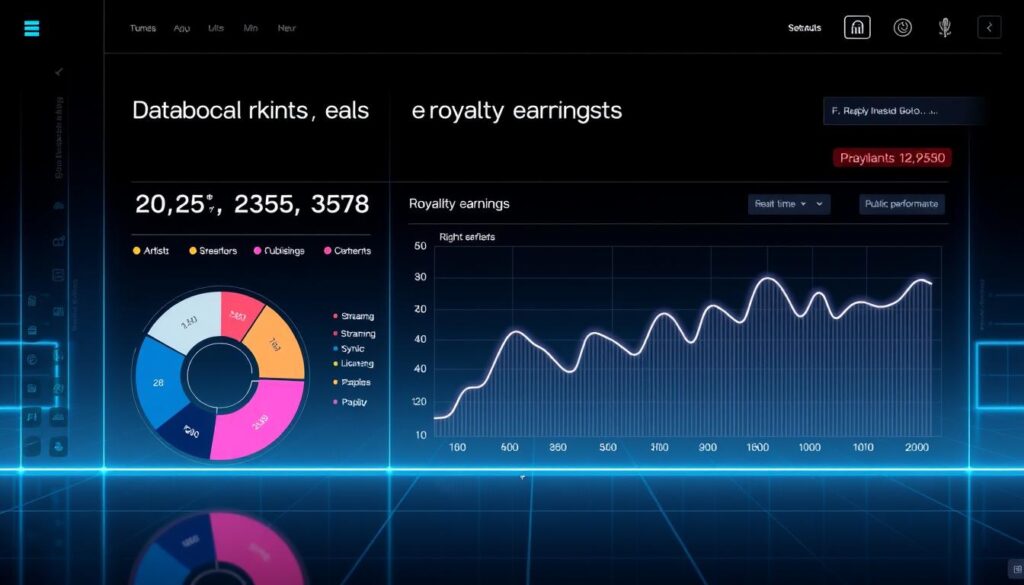
Turning Tracks Into Income Sources
Four licensing models dominate digital platforms. Master-use agreements let video makers use your recordings. Sync licenses combine your melody with their visuals – like pairing a tabla rhythm with travel vlogs. Each use creates separate revenue streams from the same track.
Ad-based systems work differently. Platforms split earnings between content makers and composers based on views. A viral video using your guitar riff could mean monthly checks for years. Mechanical licenses add another layer – you earn when others cover your songs.
Indian artists should consider joining PROs like IPRS. These groups track public performances in cafes, stores, and broadcasts. One Hyderabad composer earned ₹2.8 lakh annually just from mall playthroughs of her instrumental EP.
The real magic happens through compounding. A single track licensed for cooking tutorials and workout videos can generate income from multiple creators simultaneously. As one Mumbai producer notes: “My 2019 fusion piece still pays my broadband bill every quarter.”
Essential Criteria for Evaluating Music Channels
Choosing the right platform to showcase your compositions requires careful analysis of key factors. Three elements separate exceptional partners from mediocre ones: trustworthiness, creative alignment, and sustainable business practices.
Channel Reputation and Reliability
Established platforms prove their worth through consistent actions. Look for payment histories spanning 6+ months and clear documentation of royalty splits. Reliable partners often share quarterly transparency reports detailing view counts and earnings.
| Evaluation Factor | What to Look For | Why It Matters |
|---|---|---|
| Payment History | On-time transactions for 12+ months | Indicates financial stability |
| Communication | Response within 48 hours | Shows artist prioritization |
| Partnerships | Testimonials from 5+ creators | Validates collaborative approach |
Content Quality and Creativity
High production values signal professional operations. Analyze engagement rates – channels with 70%+ audience retention often deliver better exposure. Creative platforms might feature artist interviews or behind-the-scenes content alongside tracks.
One Mumbai-based producer notes: “My sitar fusion piece gained traction when the channel paired it with HD visuals of Rajasthan’s landscapes.” This synergy between audio and visual elements can elevate your work’s impact.
Always verify how channels credit contributors. Top performers include clickable composer profiles and detailed track descriptions. These features help build your reputation while ensuring proper attribution.
top YouTube channels that pay musicians for background music
Digital platforms have transformed how composers earn from their work through strategic partnerships. Leading music channels now offer diverse payment structures and growth-focused artist programs. Let’s explore how these systems benefit creators.
Breaking Down Compensation Approaches
Platforms use three primary models to reward contributors:
- Upfront licensing fees for exclusive track usage
- Revenue splits from ads or premium subscriptions
- Hybrid systems combining both methods
| Platform | Payment Structure | Artist Benefits |
|---|---|---|
| NoCopyrightSounds | 50% revenue share + promotion | Global distribution via parent company |
| T-Series | Fixed fees + royalties | Access to Bollywood projects |
| Audio Library | Per-download commissions | Detailed analytics dashboard |
Building Careers Through Collaboration
Established channels provide more than paychecks – they offer career development tools. Many feature artist spotlight series and co-branded content. A Chennai-based session musician shares: “My partnership with Ultra Music led to studio work with international DJs.”
Key support features include:
- Customizable licensing agreements
- Social media amplification for new releases
- Priority placement in themed playlists
Transparency remains crucial. Reputable platforms share monthly performance reports showing exactly how tracks are used. This data helps artists refine their creative output for better earnings.
Channel Spotlight: Reviews of Influential Music Platforms
Educational music platforms have become vital launchpads for composers seeking visibility. Three standout creators demonstrate how innovative content strategies create paid opportunities while advancing musical education globally.
Adam Neely’s Creative Teaching Approach
This Berklee-trained bassist merges jazz theory with pop culture analysis. His deep dives into rhythmic concepts often feature original compositions by collaborators. “Every video needs custom musical examples,” Neely explains, creating steady work for session players.
Andrew Huang’s Innovative Content
With 40+ albums under his belt, Huang’s experimental challenges push creative boundaries. His gear review segments frequently license demo tracks from emerging producers. One Mumbai electronic artist gained 12,000 subscribers after Huang featured their sitar-synth fusion piece.
Insights from 12tone and Similar Channels
12tone’s 300+ tutorials dissect everything from Bollywood harmonies to EDM drops. Their Oxford Handbook contribution shows how academic rigor attracts serious composers. Channels like this often commission short musical examples, paying creators per used segment.
Key benefits for contributors:
- Credits linking to artist profiles
- Royalties from reused content
- Networking through creator communities
These platforms prove educational videos aren’t just teaching tools – they’re talent incubators. As 12tone’s founder notes: “Our analyses need authentic musical proof points, which we gladly compensate.”
Leveraging Audience Engagement and Content Strategy
Modern musicians need more than talent to thrive—they need strategic audience connections. Building relationships with digital platforms starts with showing your creative process and values. Social media acts as both portfolio and networking tool, helping composers demonstrate their professionalism to potential collaborators.
Integrating Social Media Effectively
Platform-specific approaches yield the best results. A Chennai producer increased collaborations by 40% after tailoring posts to each network’s strengths:
| Platform | Content Type | Engagement Strategy |
|---|---|---|
| 15-sec music clips | Use trending audio features | |
| TikTok | Behind-the-scenes shorts | Collaborate with dance creators |
| YouTube | Mini music videos | Link full tracks in descriptions |
Maintaining Consistency and Authenticity
Audiences spot forced content quickly. A Mumbai guitarist shares: “My weekly ‘Raga Experiments’ series got me three licensing deals—viewers loved the unfiltered creative struggle.”
Key practices for genuine engagement:
- Post production updates every Thursday
- Share failed takes alongside polished work
- Respond to comments within 24 hours
This content approach builds trust over time, making collaborators more likely to invest in your work. Remember—every social media interaction could lead to your next paid opportunity.
Tools and Tips for Producing Quality Background Music Videos
Crafting standout music videos requires the right blend of technical gear and creative vision. Smart investments in core equipment and intuitive tools can elevate your work from amateur recordings to polished productions. Let’s explore practical solutions that balance affordability with professional results.
Must-Have Equipment and Editing Software
Start with these essentials for crisp audio and smooth visuals:
| Category | Examples | Key Benefits |
|---|---|---|
| Audio Gear | Focusrite Scarlett mic, Yamaha monitors | Noise-free recording |
| Editing Tools | Filmora, Logic Pro, Ableton Live | Multi-track mixing |
| Accessories | Pop filters, shock mounts | Improved sound clarity |
Free trials let you test software before buying. A Delhi producer notes: “Filmora’s drag-and-drop interface helped me create lyric videos in half the time.”
Effective Video Production Techniques
Three steps ensure your tracks get noticed:
- Record dry vocals first, then add effects
- Use waveform visuals that sync with beats
- Export separate audio files for easy remixing
Keep backgrounds minimal – animated equalizer graphics work better than complex scenes. This approach lets content creators focus on your music without visual distractions.
Case Studies: Success Stories from Music YouTube Channels
Real-world examples prove creative music strategies can transform careers. Matt Fiedler built Vinyl Me, Please into a thriving record club by focusing on human-curated discoveries. Meanwhile, Keith Harkin blends original tracks with travel vlogs, showing how diverse content creates multiple income streams.
Breakthrough Examples in the Industry
Fiedler’s approach demonstrates the power of understanding listener psychology. His team features emerging artists alongside established names, creating win-win exposure. Harkin’s journey highlights how session musicians can repurpose studio skills into engaging visual narratives.
Key Strategies and Lessons Learned
Consistency matters more than flashy production. One Mumbai composer gained 50,000 subscribers by posting weekly music breakdowns using traditional instruments. Successful creators often start narrow – like focusing on Tamil film track analysis – before expanding.
The smartest artists treat their channel as a business partnership. They analyze viewer metrics to refine content while maintaining authentic connections. As Harkin proves, blending personal stories with professional music creates lasting audience relationships.